Why Cladding Material Choice Matters in Antalya
The choice of floor and wall cladding material is one of the most consequential decisions in any renovation project. It determines both the aesthetic outcome and the long-term usability of a space. The wrong material can lead to maintenance headaches, staining, and premature replacement costs, while the right choice delivers decades of trouble-free beauty.
Antalya's climate amplifies these stakes. Summer temperatures reaching 40°C, salt-laden sea air, and seasonal humidity affect different materials very differently. In this guide we compare the three dominant natural and manufactured cladding materials — ceramic/porcelain, granite, and marble — across every dimension a homeowner or investor needs to consider.
Ceramic and Porcelain: Versatile and Practical
Ceramic tiles are manufactured by firing clay and natural materials at high temperatures. Porcelain is a denser, harder variant fired at even higher temperatures — more resistant to water and wear. The two are often confused, but the differences are material.
Advantages
- Enormous Design Range: Digital inkjet printing technology produces tiles that convincingly replicate concrete, timber, marble, and stone. The variety is unmatched by any natural material.
- Competitive Pricing: Per square metre cost is substantially lower than natural stone, making it possible to achieve premium aesthetics on mid-range budgets.
- Low Maintenance: Glazed and fully-vitrified surfaces are non-porous — they resist staining and clean effortlessly.
- Waterproof: High-quality porcelain has near-zero water absorption, making it the obvious choice for bathrooms, kitchens, and balconies.
- Scratch Resistance: Correctly specified tiles handle heavy foot traffic without visible wear.
Disadvantages
- Replacement of a broken tile requires finding a matching batch — impossible if the series has been discontinued
- Feels cold underfoot — relevant comfort consideration for living areas
- Large-format slabs require precise installation on a perfectly level substrate
- Cannot fully replicate the unique variation and depth of natural stone
💡 Antalya Coastal Tip: For seafront or first-row apartments, specify fully vitrified porcelain with a water absorption rate below 0.5%. It is the most resistant option available against Antalya's salt air and humidity.
Granite: The Hardness Champion
Granite is an igneous rock formed by the slow cooling of magma deep within the earth's crust. This process produces an exceptionally hard, dense material — rated 6–7 on the Mohs scale. For practical purposes, it is virtually unscratchable in normal residential use.
Primary Applications
- Kitchen Worktops: Granite's undisputed primary use case. Hot pans can be placed directly on the surface, knives do not mark it, and food-grade sealing provides stain resistance.
- Flooring: Ideal for commercial spaces and high-traffic residential areas where appearance must be maintained for decades.
- External Paving: Resists frost, UV, and moisture — excellent for terraces and garden paths.
- Staircase Treads: One of the most wear-resistant options for stair applications.
Granite Colours
- Absolute Black: The most popular worktop colour in Antalya. Bold, smooth, and highly polished.
- Colonial White / Kashmir White: Light grey tones with subtle movement — creates a marble effect at granite's cost and durability.
- Steel Grey: A neutral tone compatible with virtually any interior palette.
- Exotic Varieties (Labradorite, Blue Pearl, Bordeaux): Striking patterns and colours for high-end statement projects.
Disadvantages
- Heavy material (2.5–3 kg per m²) complicates transport and worktop installation
- Annual sealing with a stone protector is recommended
- Significantly more expensive than ceramic; substantially pricier than entry-level marble
- Repairs after cracking are extremely difficult to disguise
Marble: Luxury and Timeless Elegance
Marble is a metamorphic rock formed when limestone is subjected to intense heat and pressure. Its distinctive veining and translucent quality — allowing light to penetrate the surface — gives it an aesthetic depth no manufactured tile can fully reproduce. Turkey is one of the world's top three marble producers, and the Burdur and Afyonkarahisar regions near Antalya are significant sources of quality marble.
Primary Applications
- Bathroom Floor and Walls: Marble creates a spa-like atmosphere that no other material matches.
- Living Room Flooring: Large-format marble slabs in open-plan living areas create a breathtaking result.
- Kitchen Worktops: Aesthetically superb but requires extra care due to acid sensitivity.
- Staircases and Landings: Particularly effective in villa projects for creating impressive entrances.
- Accent Surfaces: Marble console tops, vanity units, and window sills are very much on trend — a cost-effective way to introduce the material.
Popular Marble Varieties
| Marble | Colour | Best Use | Price Tier |
|---|---|---|---|
| Carrara (Italy) | White, grey veins | Bathroom, worktop | Mid–High |
| Afyon White (TR) | White, soft veins | Flooring, walls | Mid |
| Burdur Beige (TR) | Beige, cream | Flooring, stairs | Affordable |
| Nero Marquina (Spain) | Black, white veins | Accents | High |
| Calacatta Gold (Italy) | White, gold veins | Luxury projects | Very High |
Marble Disadvantages and Maintenance
- Acid Sensitivity: Lemon juice, vinegar, cola, and wine etch the polished surface. Extra care is essential in kitchen applications.
- Stain Absorption: The open pore structure readily absorbs oils and coloured liquids. Annual sealing with a stone impregnator is essential.
- Scratch Susceptibility: Softer than granite — visible scratching can occur in very high-traffic areas over time.
- Re-polishing Cost: Periodic machine polishing restores the surface but adds to lifetime maintenance cost.
Side-by-Side Comparison
| Property | Ceramic / Porcelain | Granite | Marble |
|---|---|---|---|
| Cost | Low–Mid | Mid–High | Mid–Very High |
| Durability | Good | Excellent | Good |
| Maintenance | Very easy | Easy | Moderate |
| Water Resistance | Excellent | Good | Moderate |
| Scratch Resistance | Good | Excellent | Moderate |
| Aesthetics | Good | Good | Excellent |
| Colour Range | Unlimited | Wide | Wide |
Application Examples
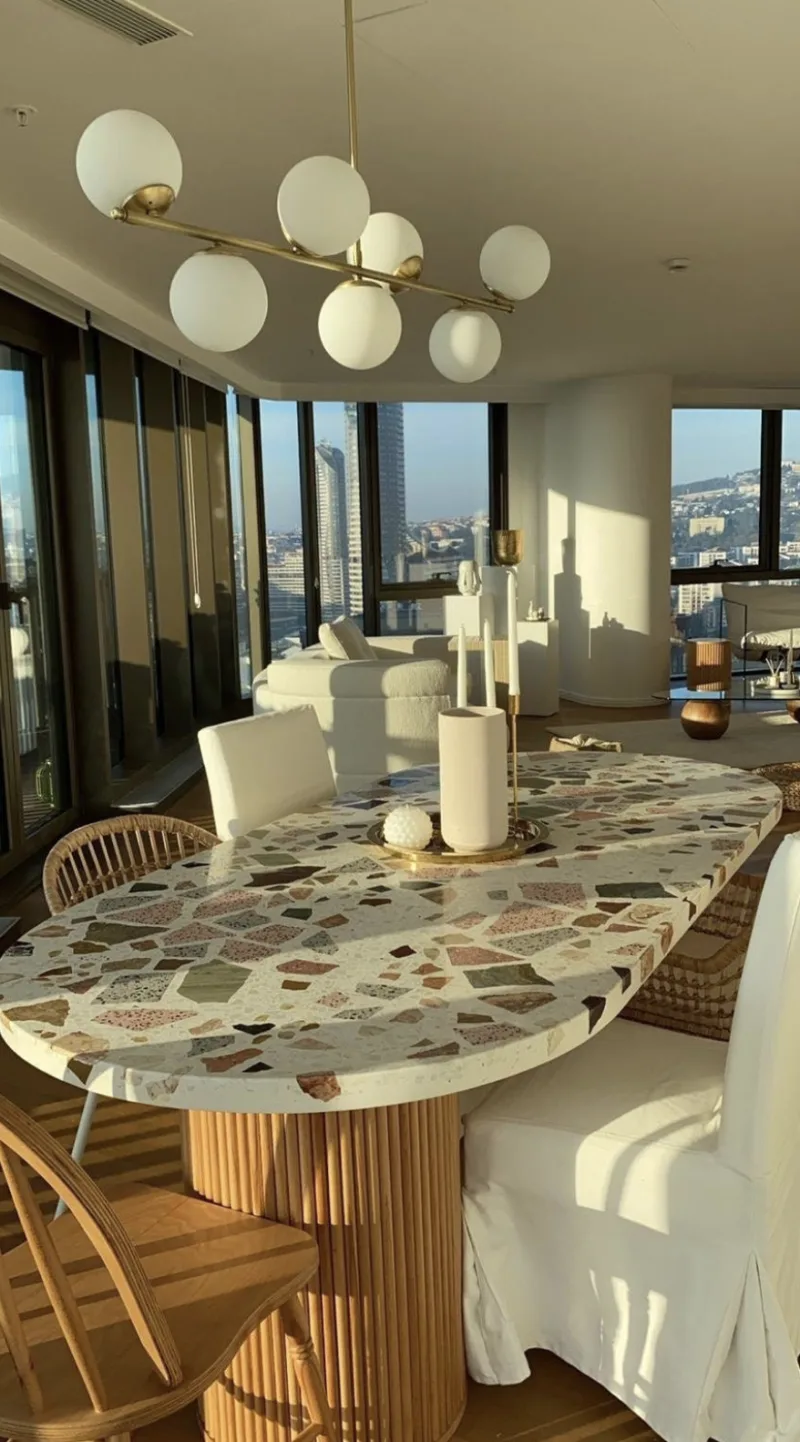
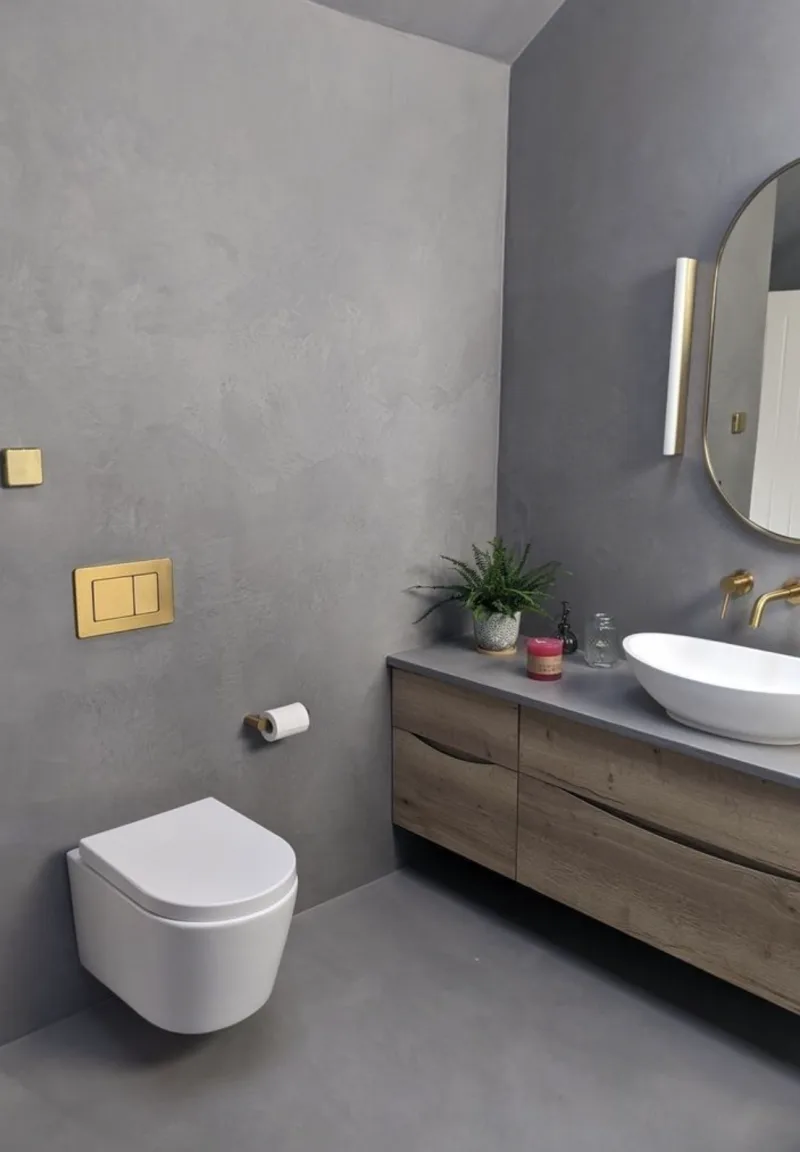
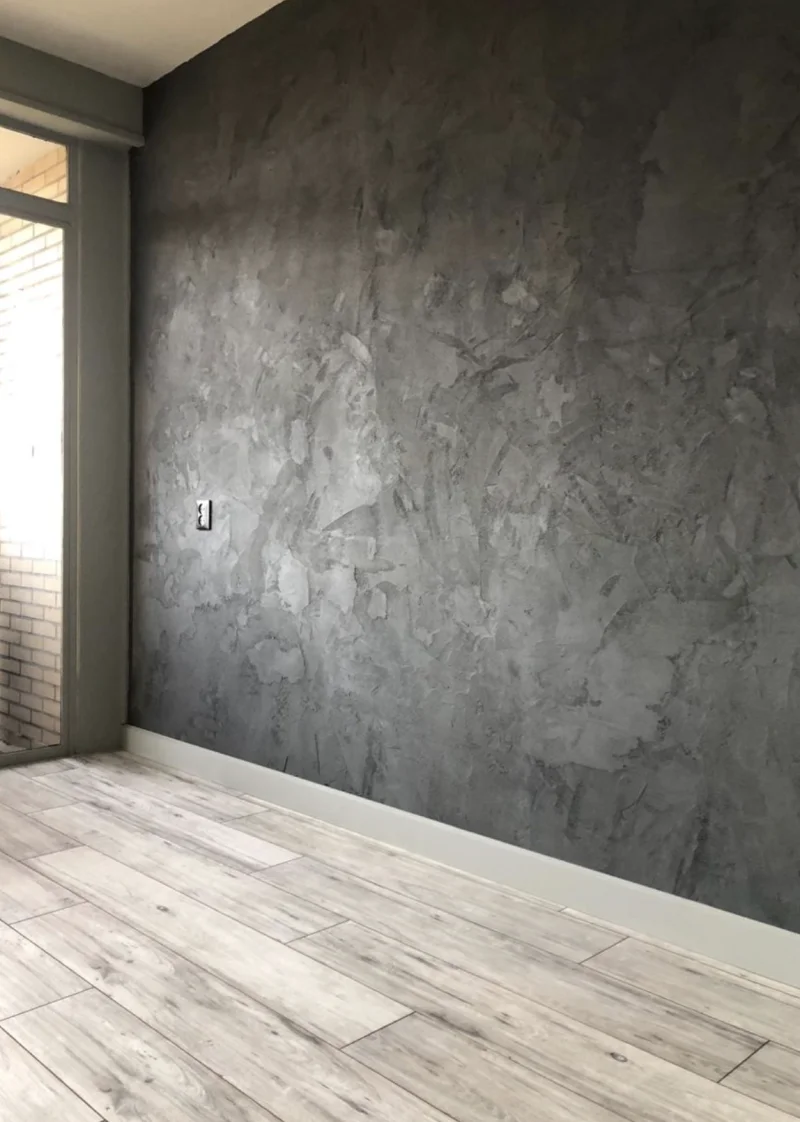
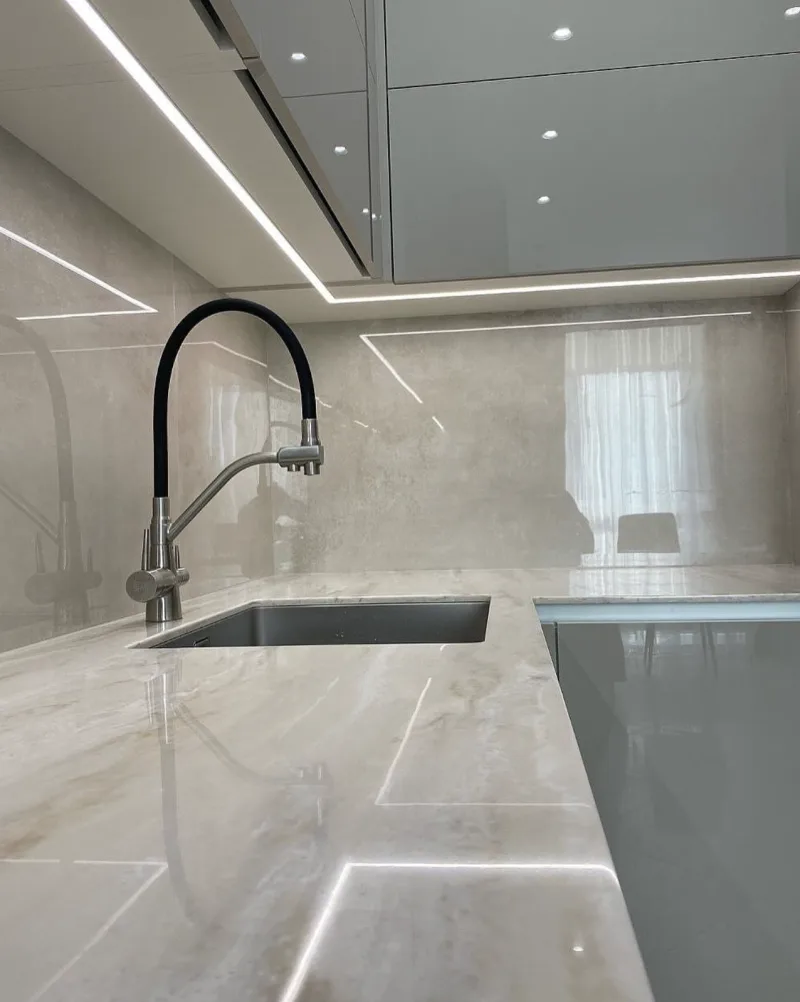
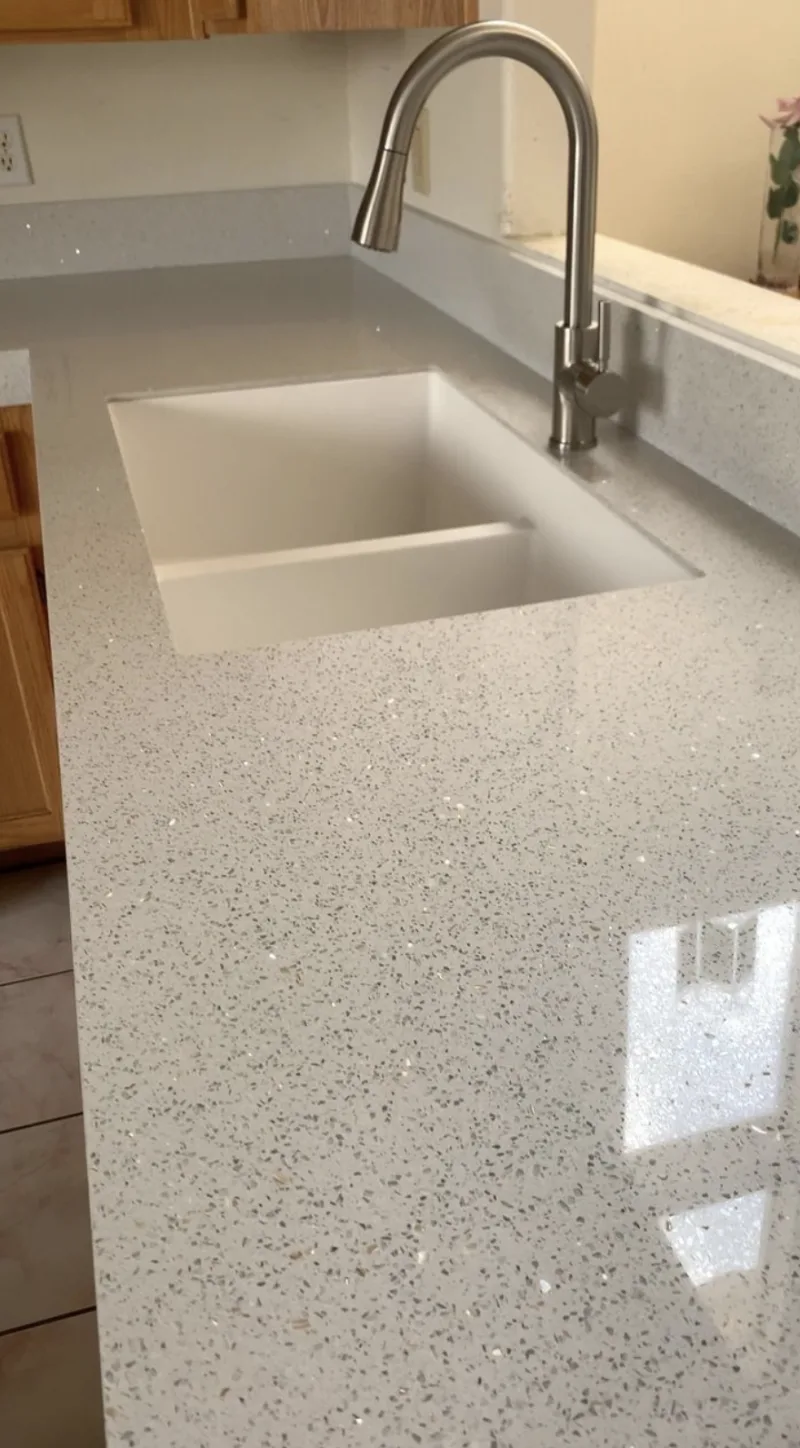
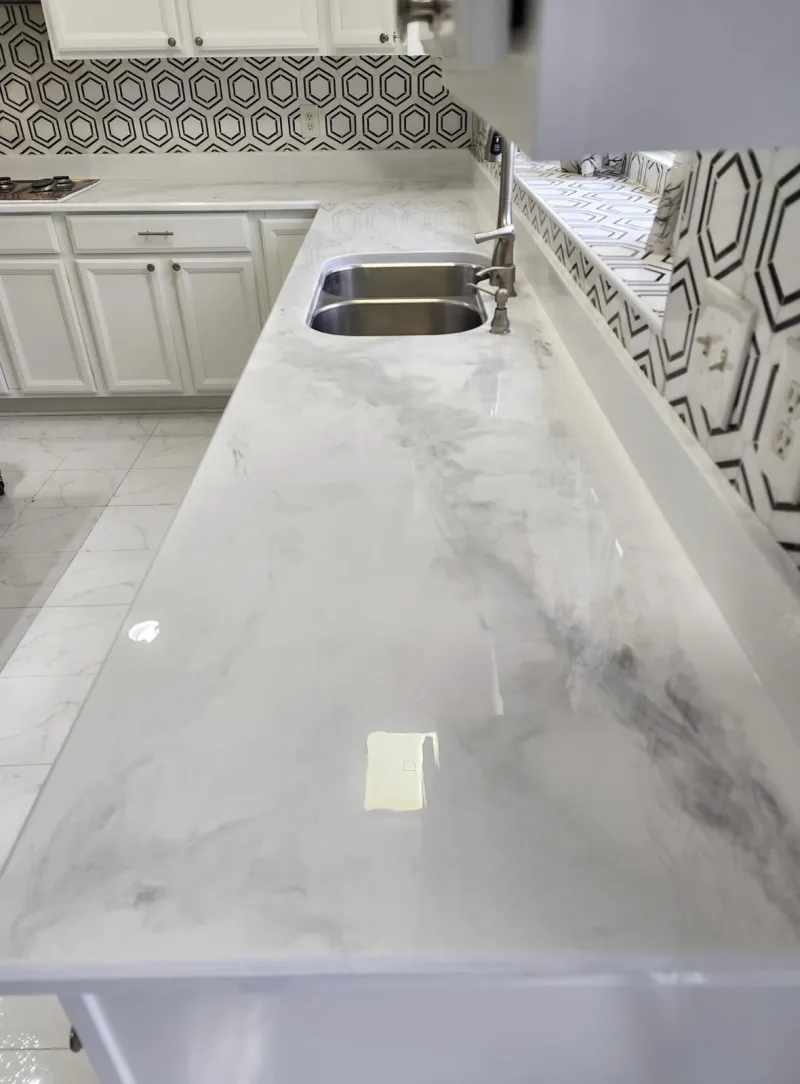
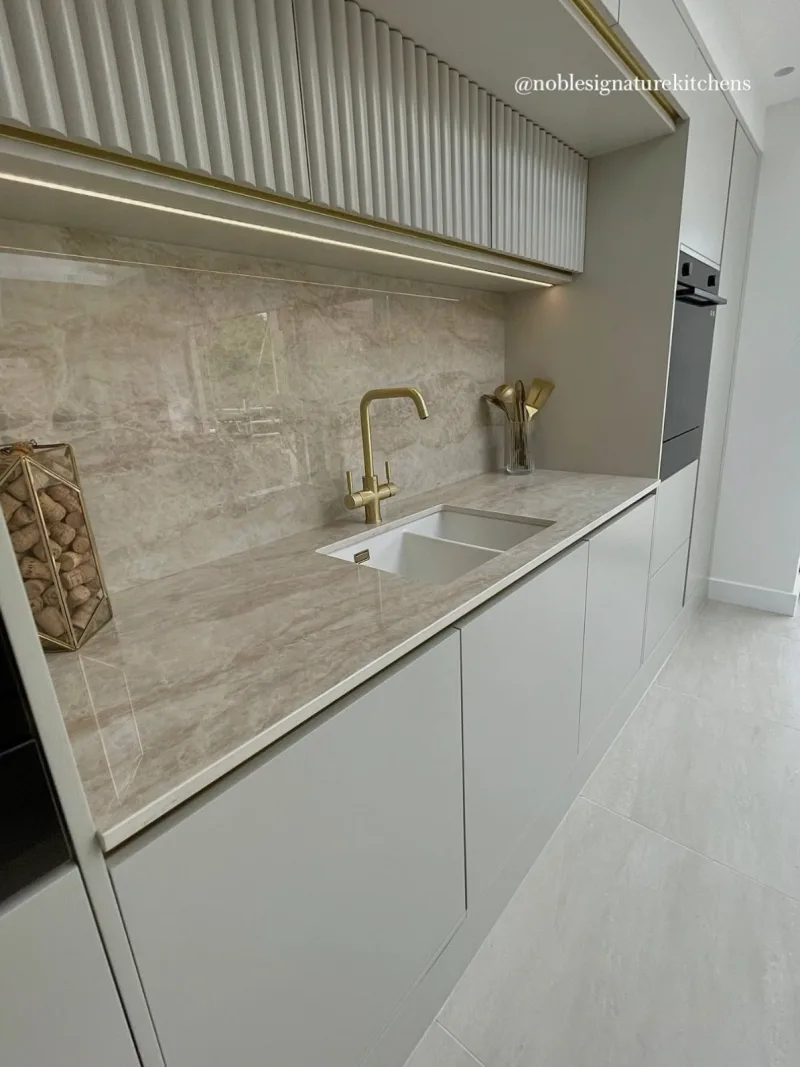
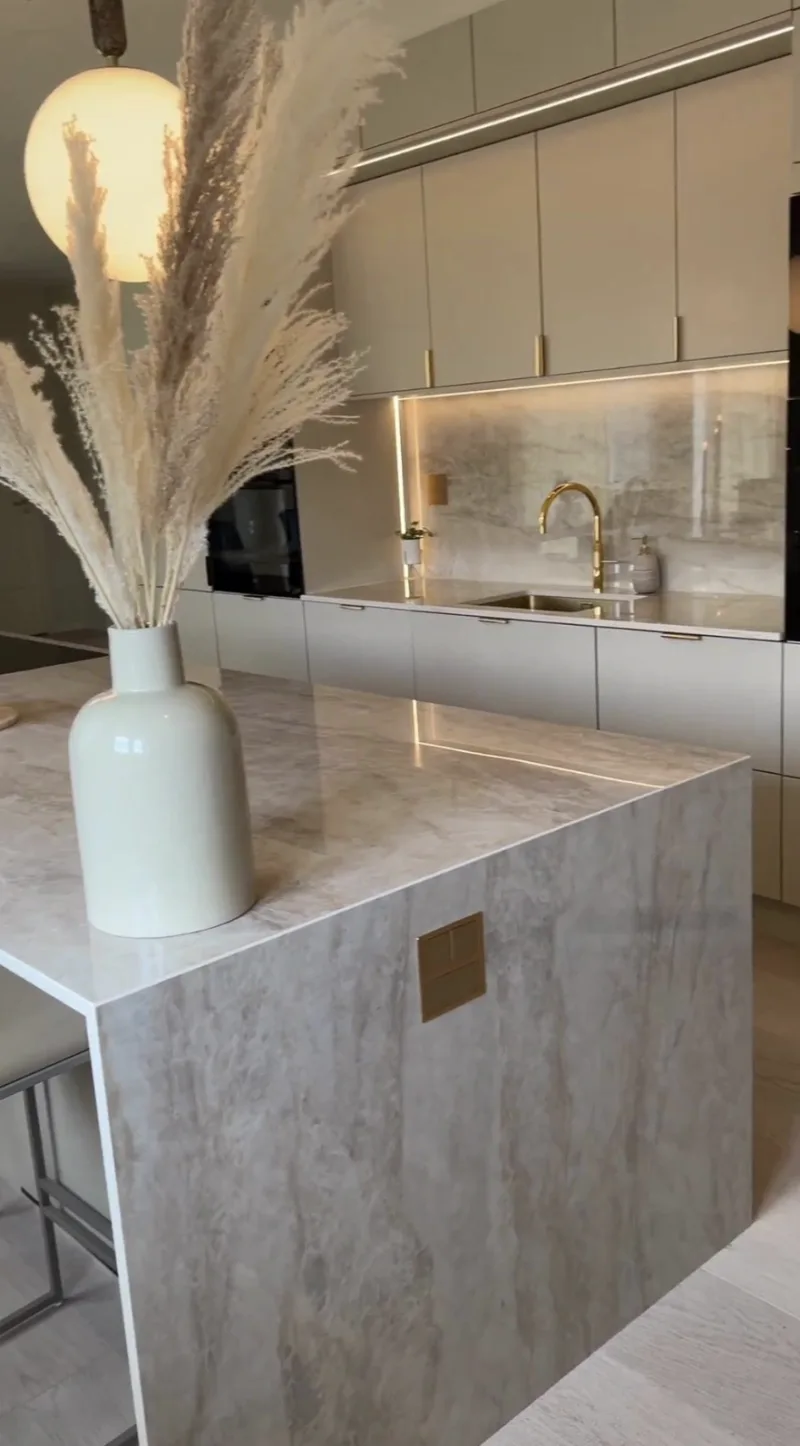
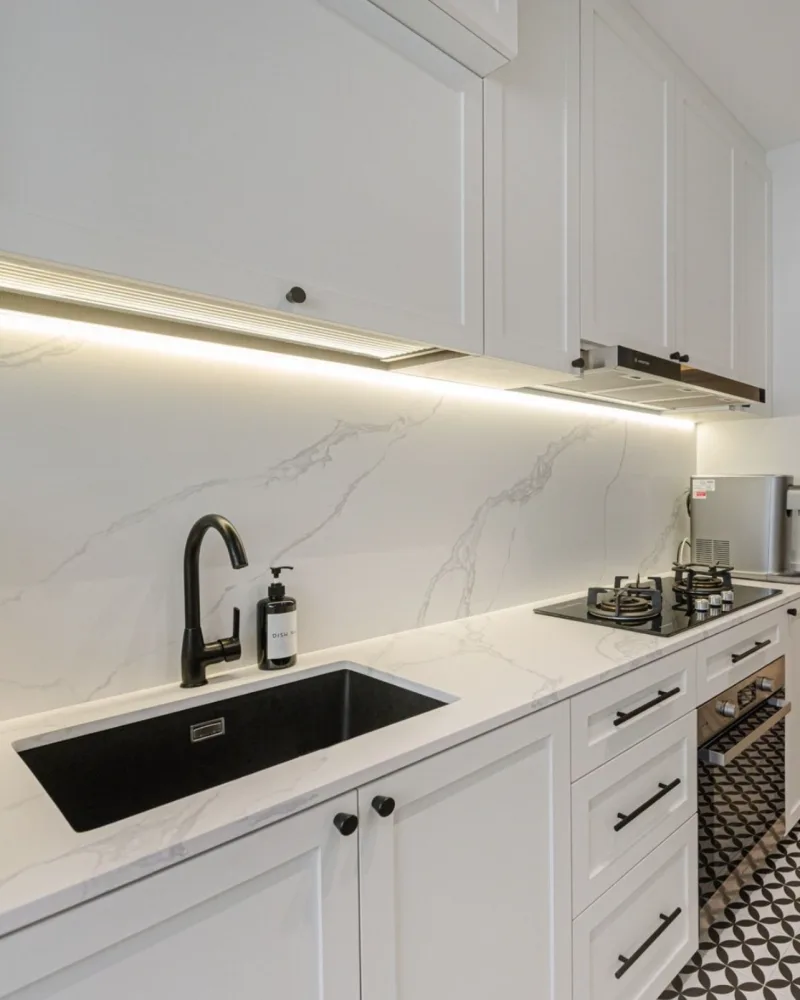
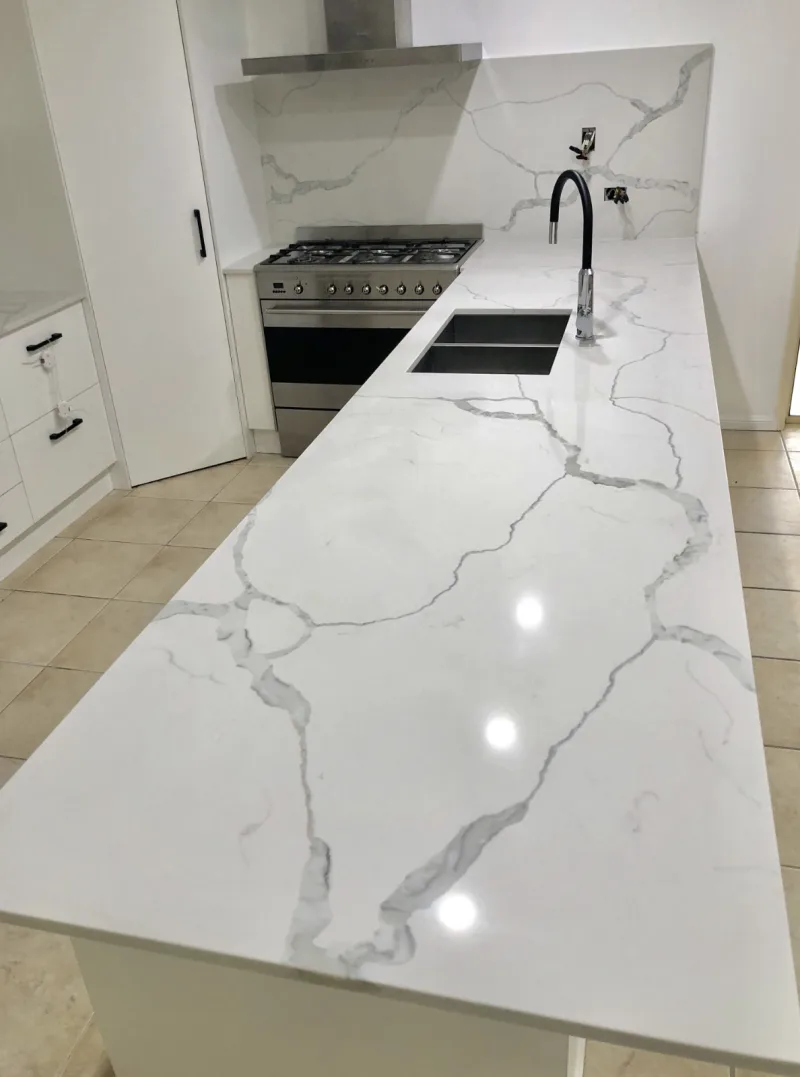
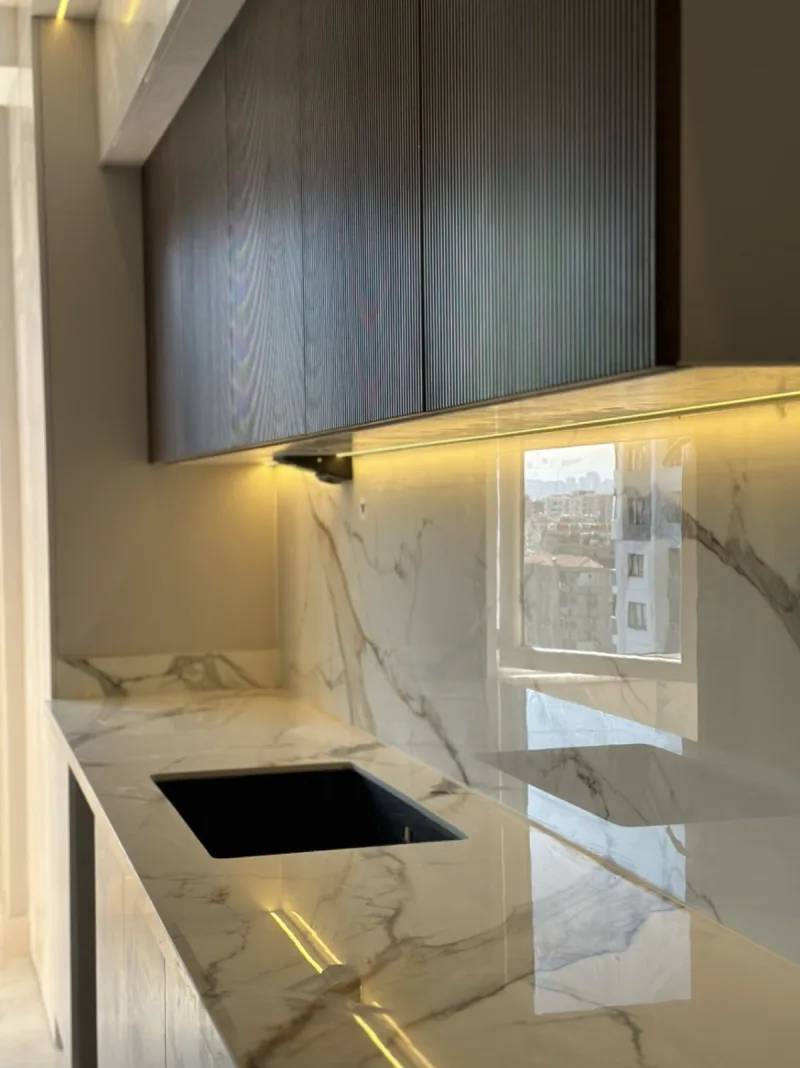
Below are example photos of worktop and floor cladding applications.
Room-by-Room Recommendations for Antalya Properties
- Bathroom: Porcelain or marble. Prioritise slip resistance and moisture performance.
- Kitchen Floor: Porcelain or granite. Oil and stain resistance are key.
- Kitchen Worktop: Granite (practical) or marble (aesthetic) — choose based on your cooking habits.
- Living Room: Large-format porcelain or marble. Porcelain offers a practical advantage in Antalya's heat.
- Terrace / Balcony: Anti-slip porcelain or granite. Must tolerate outdoor exposure.
- Coastal Apartments: Porcelain delivers the best resistance to salt air and humidity.
ℹ️ Free Material Consultation: Our team helps Antalya property owners choose the right cladding for every application. Contact us for a free site visit and personalised recommendation.