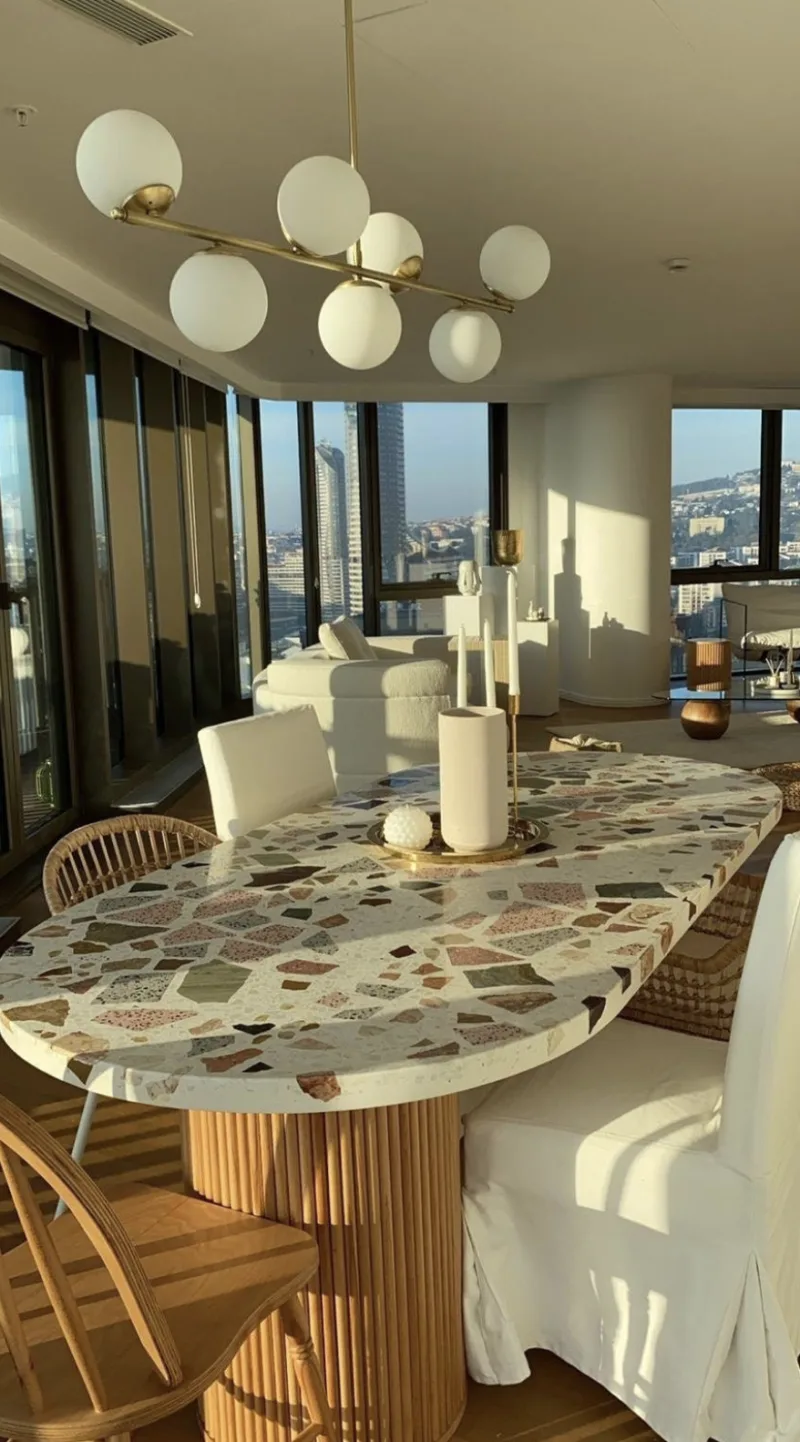
What Is Micro Cement?
Micro cement (also known as micro concrete or microtopping) is a polymer-based coating that can be applied in a thin layer to floors, walls, ceilings, bathrooms and kitchen surfaces. Combining the aesthetic appeal of concrete with the practicality of tile, it has become increasingly popular in luxury apartment and villa projects across Antalya.
Its defining characteristic is a seamless surface. The grout lines that are unavoidable with conventional tiles disappear entirely — giving the space a cleaner, more open feel and making cleaning considerably easier.
💡 Key distinction: Micro cement is not real concrete. It is applied in an extremely thin layer of just 2–3 mm, which means it can go directly over existing floors or walls without breaking them up. This significantly reduces both renovation time and demolition costs.
Where Can It Be Used?
- Bathroom floors and walls — The seamless surface harbours no moisture; ideal from a hygiene perspective. Micro cement in the shower instead of tiles creates a modern spa aesthetic.
- Living room and bedroom floors — A powerful alternative to large-format porcelain or wood parquet.
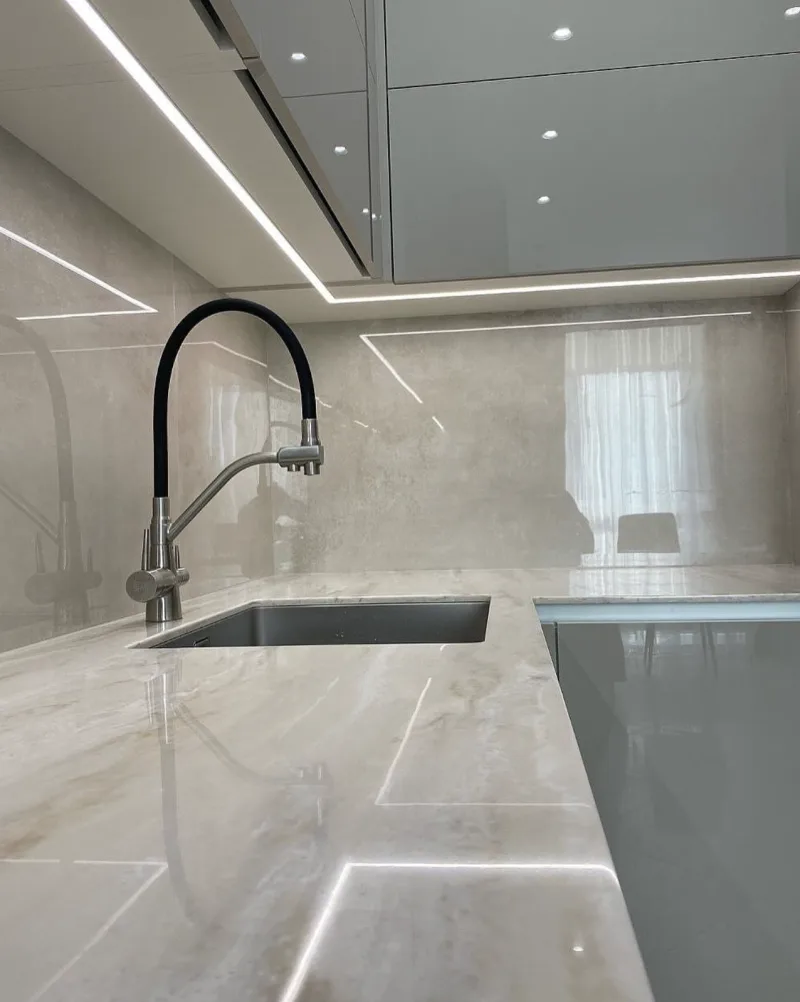
- Kitchen worktops — A micro cement worktop stands out in minimalist kitchens with its uninterrupted surface feel.
- Kitchen splashbacks — A sophisticated alternative to classic metro tiles; also very easy to clean.
- Staircases — Creates a single continuous surface effect across both treads and landings.
- Terraces and balconies — Specialist outdoor formulations are available.
Micro Cement vs Ceramic / Porcelain
| Feature | Micro Cement | Ceramic / Porcelain |
|---|---|---|
| Grout lines | None — seamless surface | Yes — require regular cleaning |
| Application thickness | 2–3 mm | 10–15 mm (including adhesive) |
| Demolition required | No — applied over existing surface | Existing tiles usually removed |
| Appearance | Continuous, modern, industrial | Repeating pattern, wide colour range |
| Maintenance | Annual polish recommended | Low maintenance aside from grout cleaning |
| Labour | High (specialist skill required) | Medium |
Application Examples
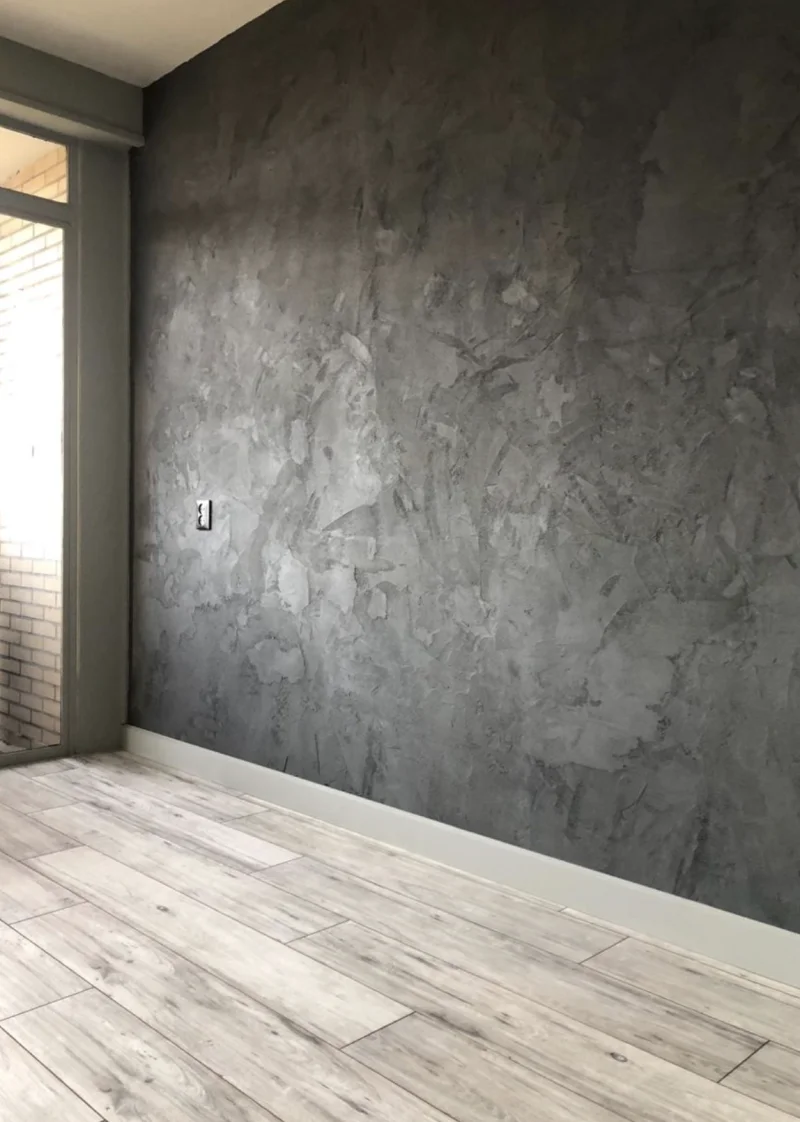
Below are example photos of micro cement applications. Scroll through to see the technique in different spaces and finishes.
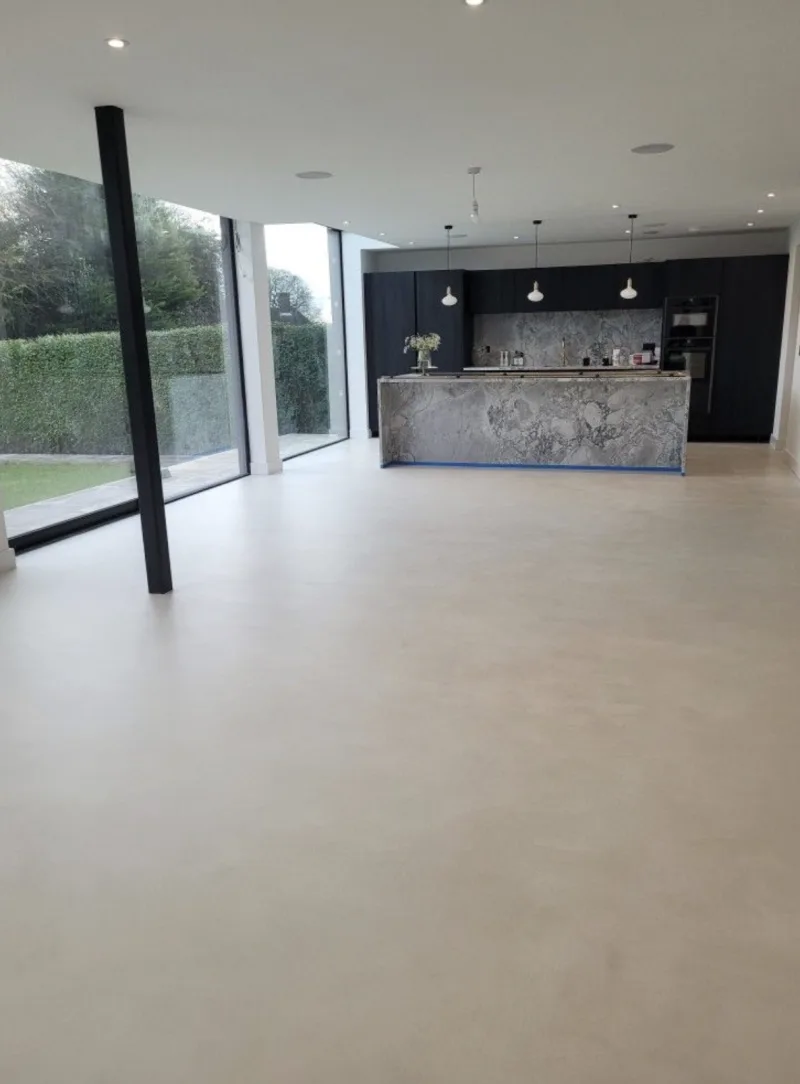
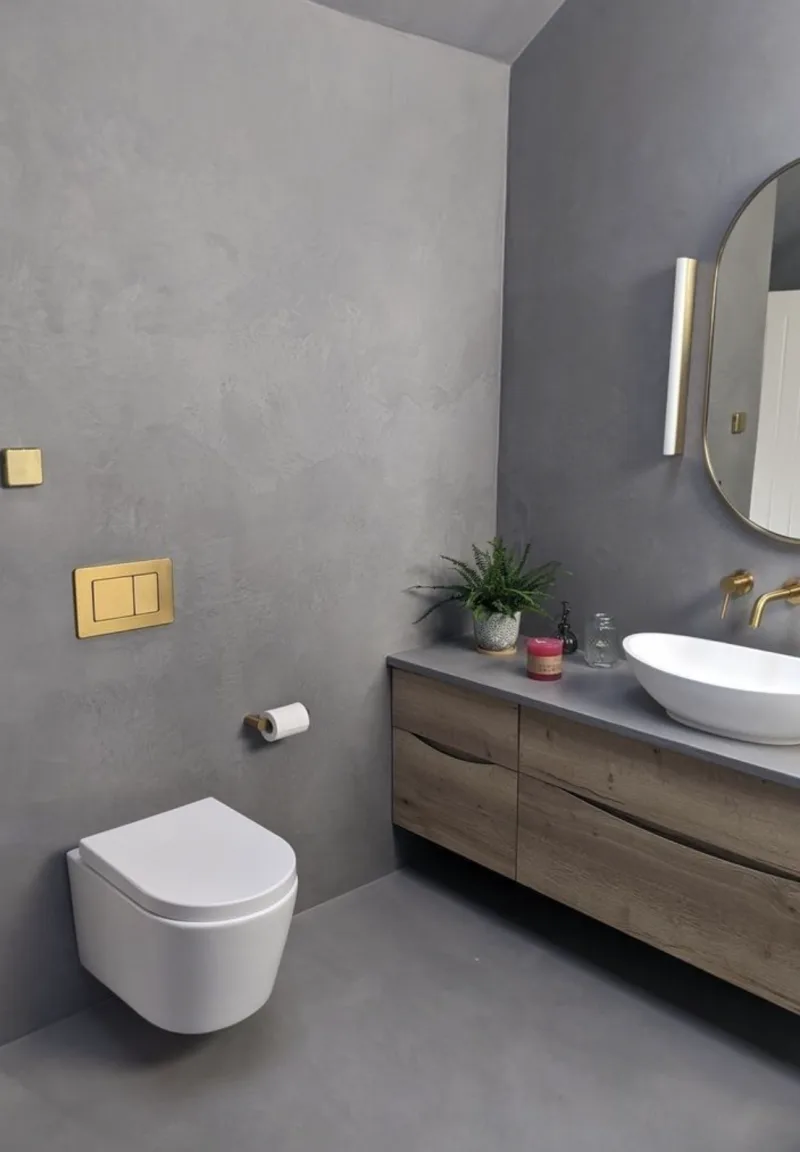
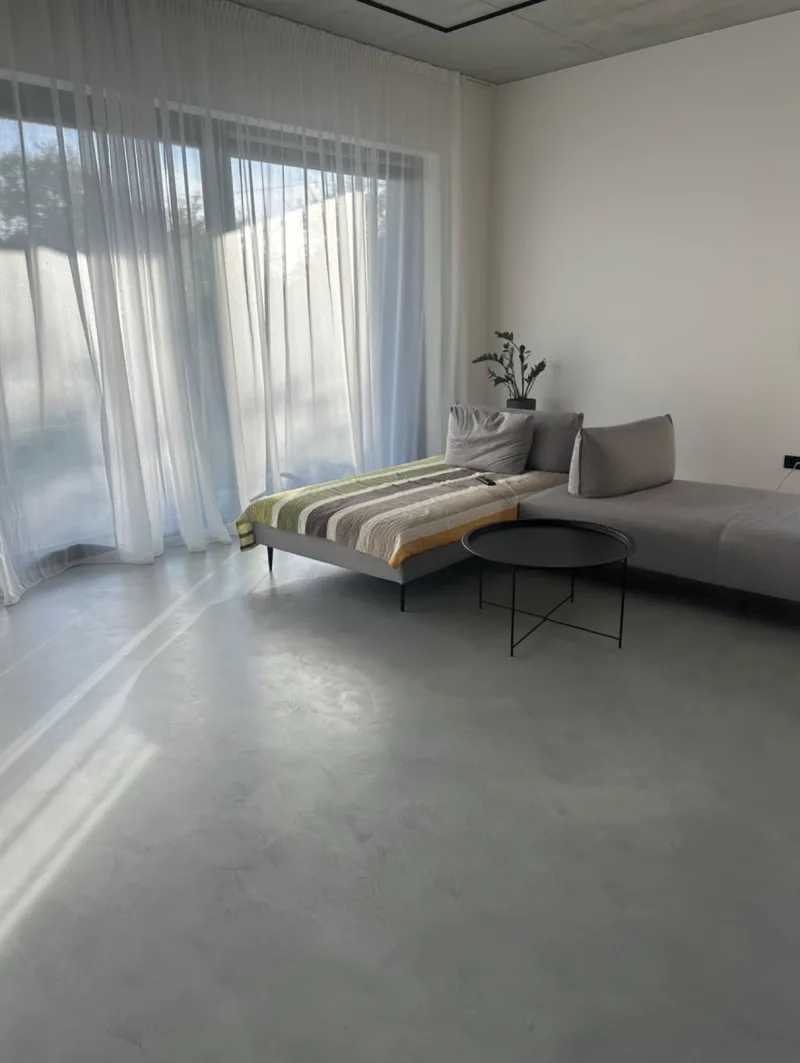
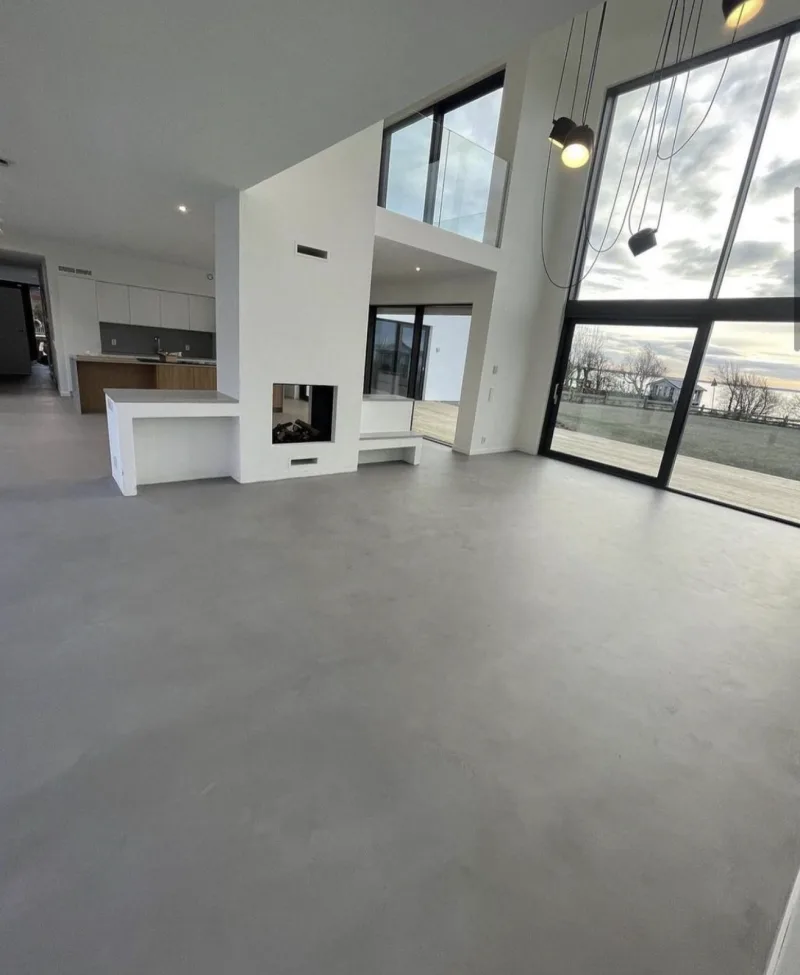
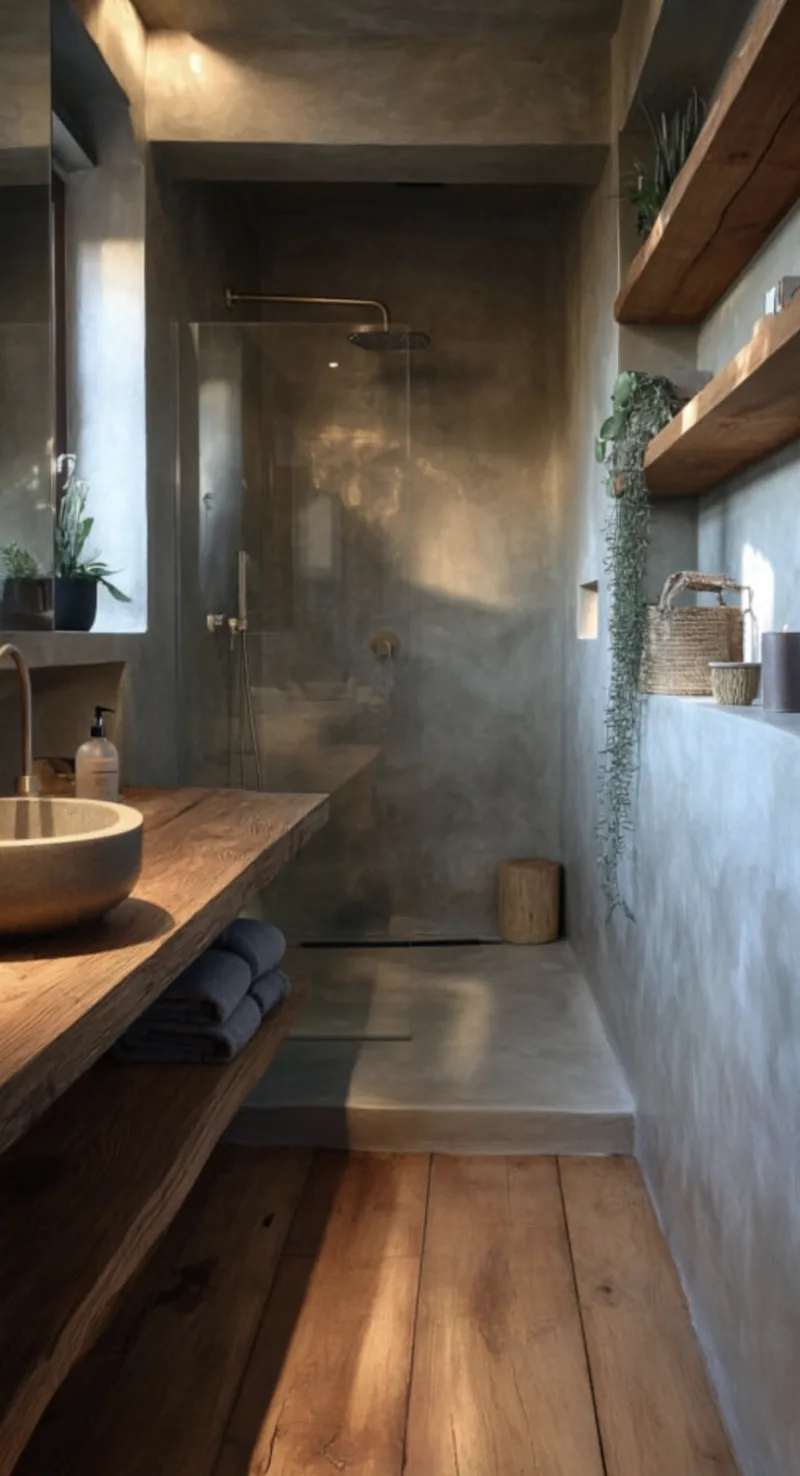
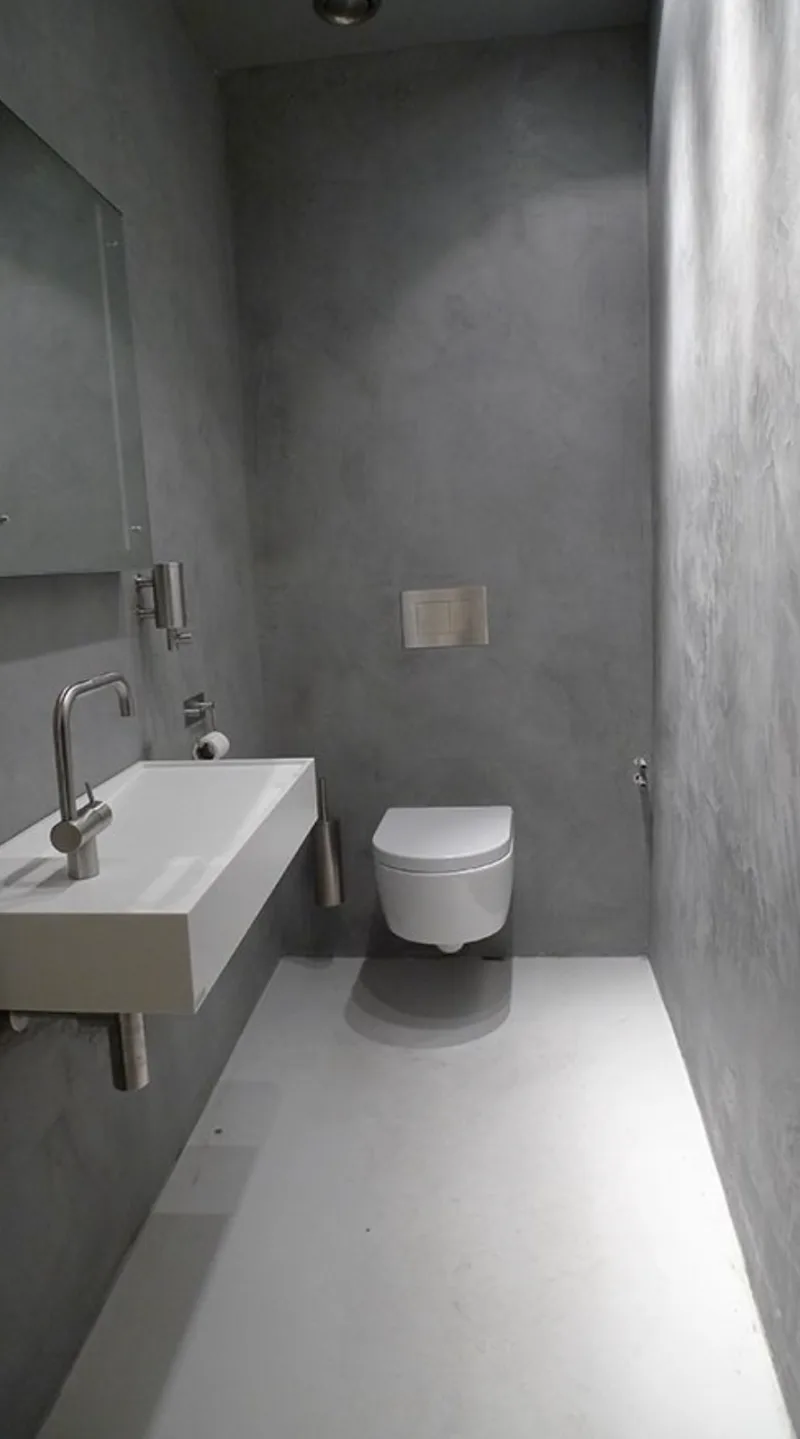
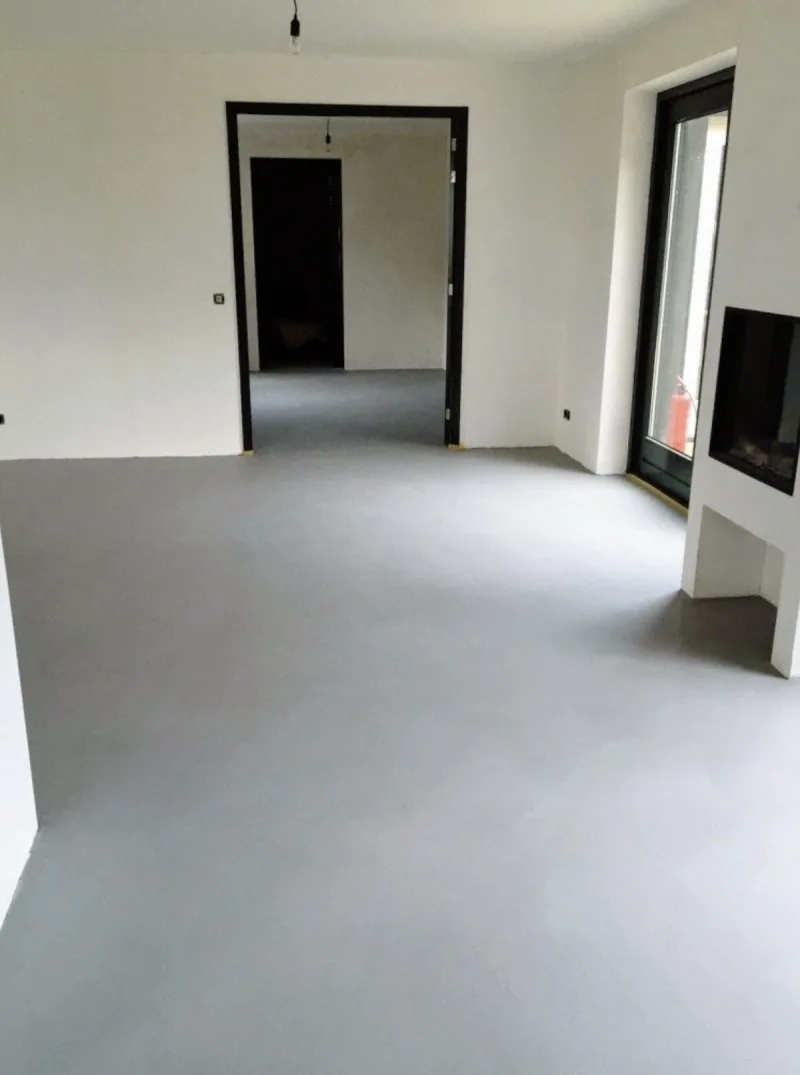
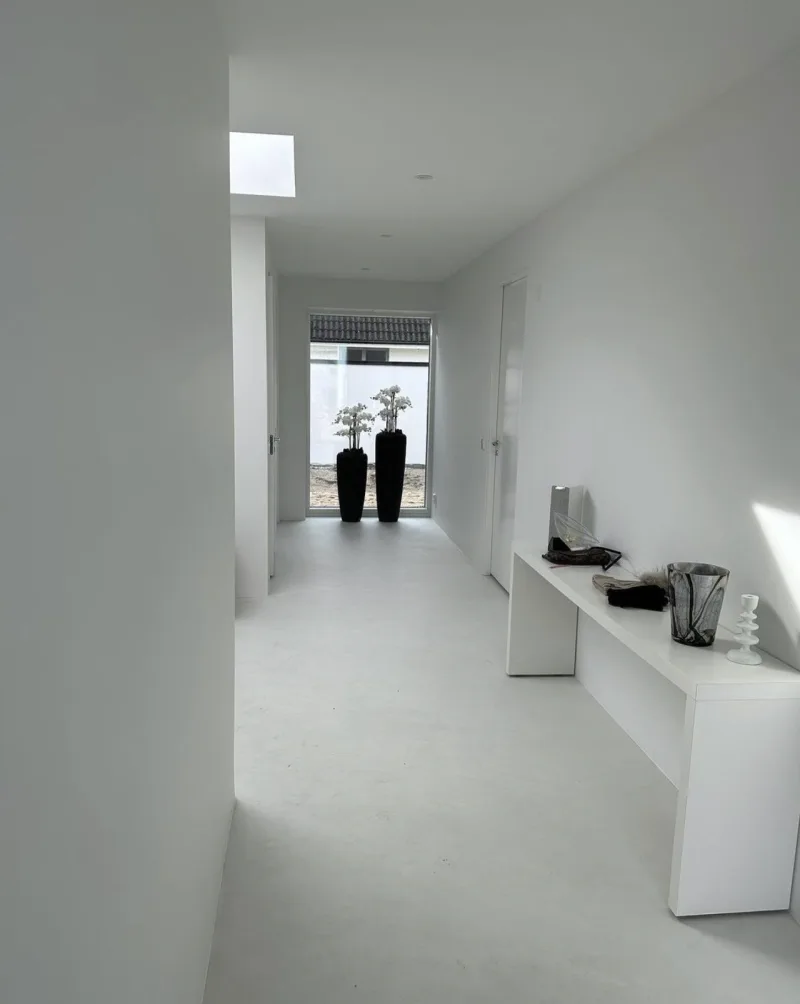
The Application Process: Step by Step
- Surface preparation — The surface is cleaned, irregularities removed and a primer applied where necessary. This is the most critical stage.
- First coat — A base coat is applied and left to dry.
- Sanding — The first coat is lightly sanded to achieve an even surface.
- Second and third coats — Further thin layers are applied; colour and texture take shape.
- Protective finish — A polyurethane or epoxy-based sealer determines the surface's resistance to water, staining and wear.
ℹ️ Curing time: Micro cement requires 5–7 days to cure fully. During this period, heavy furniture should not be moved over the surface and prolonged water contact should be avoided.
Maintenance and Longevity
- Use a pH-neutral cleaner for daily cleaning; acid or ammonia-based products damage the protective layer.
- Apply a specialist micro cement polish once a year to renew shine and water resistance.
- Avoid sharp objects and abrasive cloths.
- Do not leave standing water on bathroom and kitchen surfaces for extended periods.
Is Micro Cement the Right Choice in Antalya?
If you are looking for a modern, minimalist and seamless surface, or want to shorten renovation time by applying over existing tiles, micro cement is a compelling option. To book a free site visit, please use our contact page.