The Climate Summit Is in Antalya, the Topic Is in Our Homes
The UN Climate Change Conference COP31 is taking place in Antalya from 9 to 20 November 2026, at the EXPO site in Aksu. Delegations are discussing emissions, the energy transition and adaptation. At the scale of a single home, these topics come down to something very concrete: houses that are more comfortable while using less energy.
In Antalya, comfort is mostly about staying cool. Winters are mild, but through the long, hot summer air conditioners run almost non-stop. How hot a home gets is largely decided by where the sun gets in and how much heat the building holds on to. The good news: most of this can be improved through renovation.
💡 Key principle: Cooling heat after it has entered is always more expensive than stopping it before it gets in. Shading and glazing first, then insulation, air conditioning last.
Where Does the Heat Get In?
- Windows: Large south- and especially west-facing windows let the afternoon sun straight in. Single glazing or old double glazing is the weakest point.
- Roof and terrace: Top-floor apartments and detached houses take in a lot of heat from a roof or terrace slab that is in the sun all day.
- Uninsulated external walls: Walls that heat up during the day keep releasing that heat indoors well into the evening.
- Thermal bridges: Concrete beams, columns and balcony slabs conduct heat far more easily than the wall around them.
- Air leaks: Windows and doors that do not close properly let hot outside air in and cooled air out.
1. Windows and Glazing
Replacing windows is one of the renovations with the quickest effect on summer comfort. Double glazing alone is not enough; the type of glass matters too:
- Solar control coated double glazing: Reflects a large share of the heat-carrying part of sunlight while still letting daylight in. Particularly suitable for south and west facades.
- Low-E (heat-insulating) glass: Reduces heat transfer and also keeps warmth inside in winter. In Antalya it is usually combined with solar control.
- Frames and installation: Multi-chamber uPVC or thermally broken aluminium frames and properly sealed installation gaps make sure the benefit of good glass is not lost. A poorly fitted window greatly reduces what good glazing can do.
For frame and glass options see our door and window replacement guide, and for the scope of work our doors and windows service page.
2. Shading: Stop the Sun Outside the Glass
Curtains and blinds cut the light indoors, but the heat that came through the glass is already in the room. External shading stops the sun before it reaches the glass, which makes it far more effective.
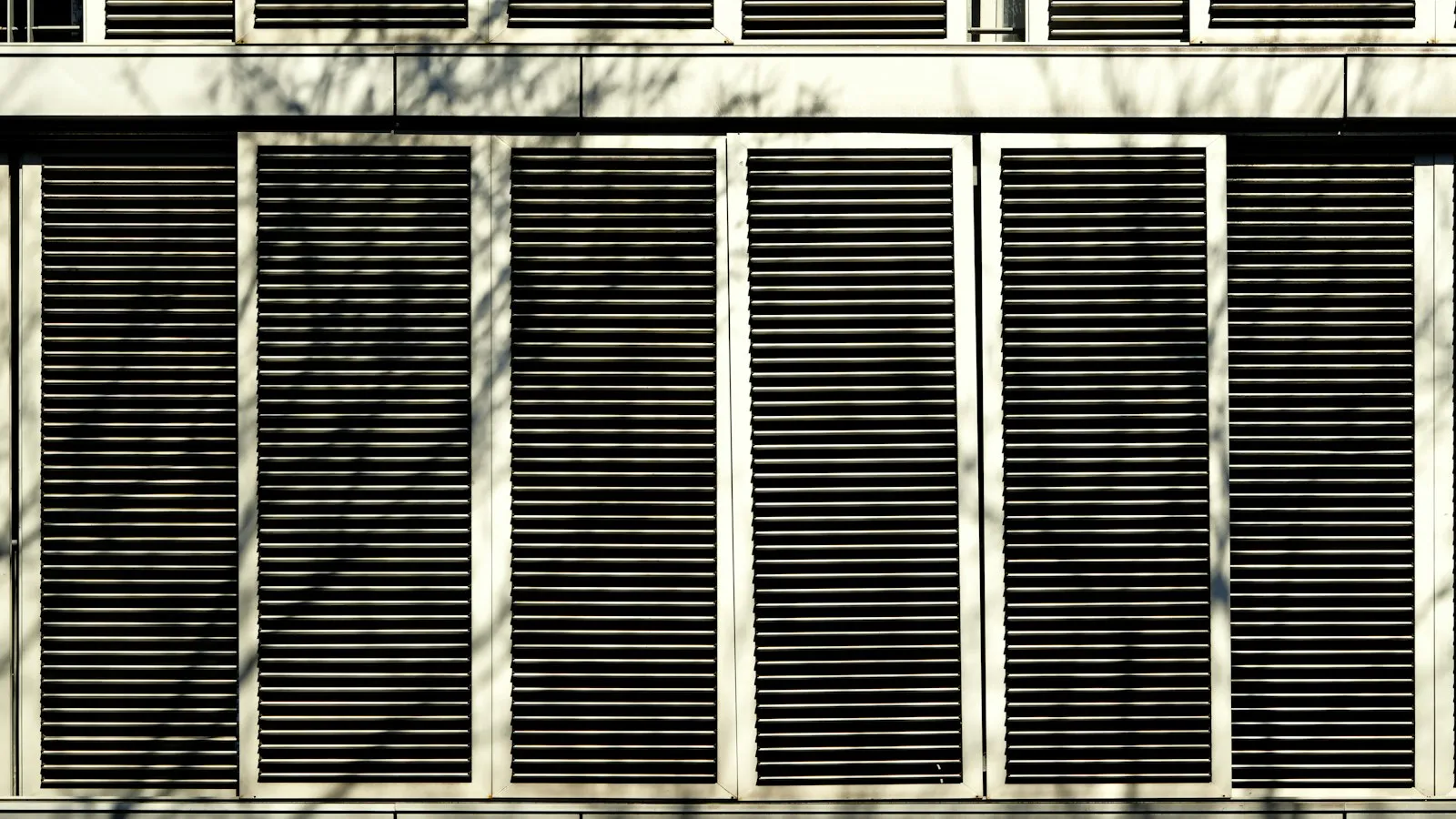
- Shutters: The classic Mediterranean solution; adjustable louvres let air through even when closed.
- Awnings and pergolas: Block the midday and afternoon sun on balconies and terraces while creating usable shade.
- Overhangs and fixed louvres: On south facades they block the high summer sun but let the low winter sun in.
- Planting: Deciduous trees and climbing plants on pergolas near the west facade give shade in summer and let the sun through in winter.
In apartment buildings, shutters, awnings and louvres fixed to the facade change the look of the building, so approval from the building or site management should be obtained before installation.
3. Roof and Terrace
If you live on the top floor or in a detached house, the surface heating your rooms most in summer is probably above your head. When renovating a terrace, thermal insulation should be addressed together with waterproofing. Light-coloured, reflective finishes and roofing materials also help the surface heat up less. Adding thermal insulation while the terrace waterproofing is being renewed is far more efficient than doing the two jobs separately.
4. External Wall Insulation
External wall insulation covers the outside of the building with insulation boards, reducing how much the walls and thermal bridges heat up in the sun. It is the most comprehensive solution, both for summer comfort and for reducing heat loss in winter. In apartment buildings it is done for the whole building by decision of the owners, not for a single flat. Details are in our facade insulation guide.
5. If External Insulation Is Not Possible: Internal Insulation
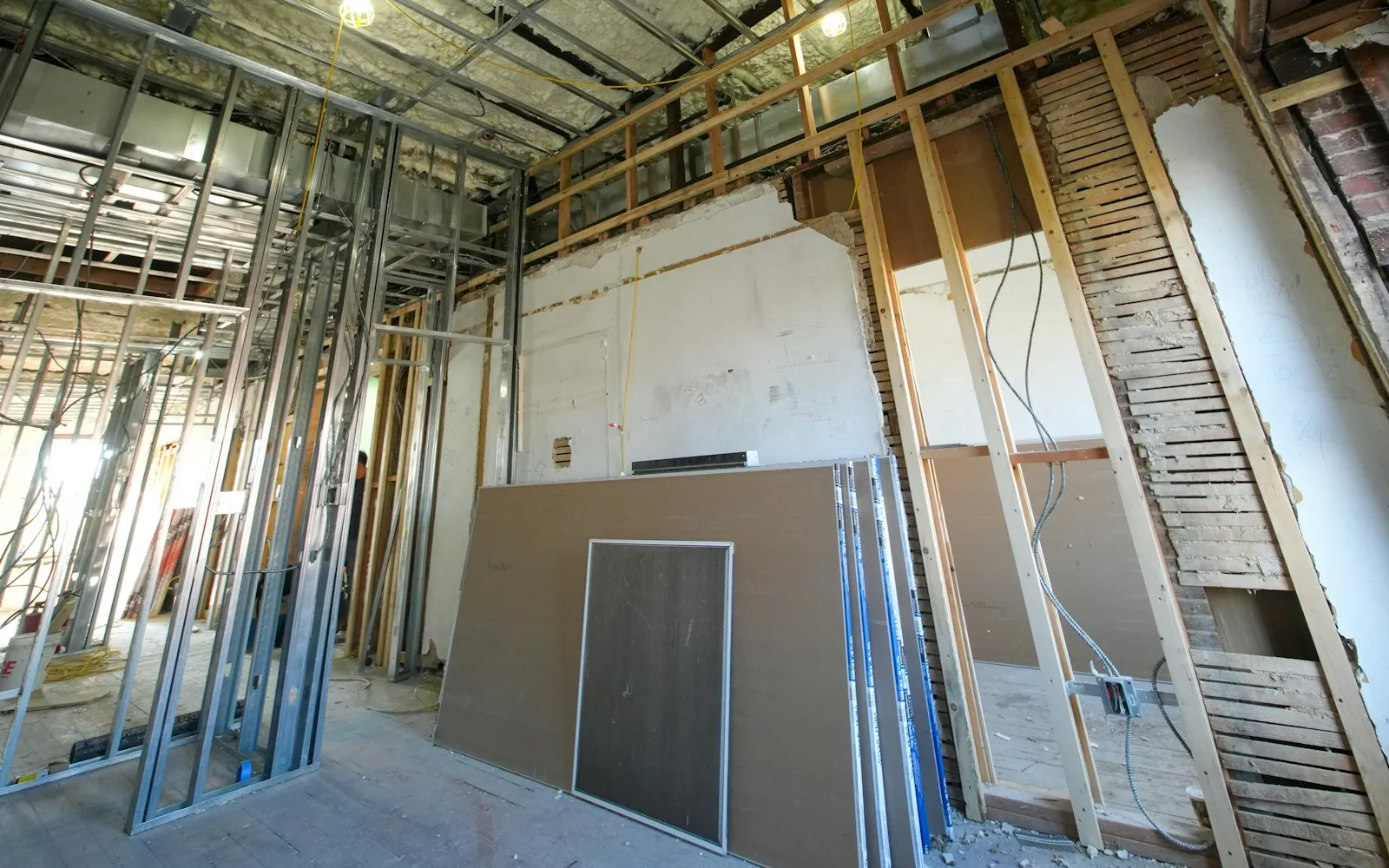
If the building cannot agree on external insulation, insulation can be applied to the inner face of sun-exposed external walls, usually with insulation boards and plasterboard. It can be done for a single flat, but a few points need care:
- The room loses a few centimetres, and window and socket details have to be reworked.
- If applied incorrectly, condensation and mould can form between the insulation and the wall. A vapour barrier and the right materials are important.
- If beams and columns are not covered too, the thermal bridges remain.
For application details see our drywall and suspended ceiling page.
6. Electrics, Lighting and Ventilation
- LED lighting: Old bulbs and halogen spots use more electricity and also heat the room. Switching to LED during a renovation pays off twice.
- Air conditioning circuits: Each unit needs its own circuit with the right cable size and breaker, for safety and for efficient operation. See our electrical rewiring guide.
- Cross ventilation: Opening windows on opposite facades is the easiest way to cool a home without air conditioning on summer evenings. When planning interior doors and partitions, avoid blocking the airflow.
- Bathroom and kitchen extractors: Stop moisture and heat building up indoors and reduce the load on the air conditioning.
In What Order?
- Fix air leaks: window and door seals, badly adjusted sashes.
- Add external shading to west and south windows.
- Replace old windows with solar control double glazing.
- On the top floor, deal with terrace or roof insulation.
- Raise external wall insulation with the building; if that is not possible, insulate critical walls from the inside.
- In a full renovation, plan lighting, air conditioning circuits and ventilation together.
💡 What determines the price? The cost of an energy-efficiency renovation depends on how many windows and how much glazing are replaced, the type of glass and frame, the shading system, the area of surfaces to insulate and access conditions (whether scaffolding is needed). A reliable quote can only be given after an on-site survey.
Let's Plan Your Home Together
If you want to make your home in Antalya more comfortable in the summer heat, we handle everything from window replacement to facade and interior work in a single plan. See the scope on our apartment renovation page or book a free survey via our contact page. The survey and quote are free of charge.